

Prof. Rongshan Yu(SMIEEE, FIET)
Vice Director, National Institute for Data Science in Health and Medicine, Xiamen University
Dr. Rongshan Yu received his bachelor degree in Electrical Engineering with minor in Applied Mathematics from Shanghai Jiaotong University, China in 1995, and the PhD degree from the National University of Singapore (NUS, Singapore) in 2004. He is currently with the Department of Computer Science, Xiamen University as a professor, and vice-director of the National Institute for Data Science in Health and Medicine, Xiamen University. His research interests include high-throughput multi-omics data analysis, precision medicine, and medical artificial intelligence. He has more than 180 journal/conference publications and holds more than 20 US/International patents. Dr. Yu was a member of the Technical Committee of the Multimedia Systems and Applications of the IEEE Circuits & Systems Society, and chair of Internet of Thing (IoT) Special Interest Group (SIG) of IEEE Signal Processing Society. He served as standard project editors of ISO/IEC 14496-3/AMD.5 (MPEG Audio Scalable Lossless Coding) and ISO/IEC 14496-5:2001/Amd.10 (SSC, DST, ALS, and SLS reference software), and associated editors of IEEE Transactions on Audio, Speech and Language Processing and IEEE Access. He is a senior member of the Institute of Electrical and Electronics Engineers (IEEE), and Fellow of the Institution of Engineering and Technology (IET). In 2007, he received the National Technology Award, Singapore in 2007 in recognition of his contributions to international standards.
Speech Title: "Advanced in Imaging Mass Cytometry Data Processing and its Application"
Abstract: Imaging mass cytometry (IMC) and CyTOF have revolutionized high-dimensional tissue profiling by enabling simultaneous spatial mapping of dozens of protein markers at single-cell resolution. These technologies open new avenues for understanding the tumor immune microenvironment and its clinical implications in cancer immunotherapy. This talk presents recent advances from our group at Xiamen University, focusing on computational methods and translational applications that bridge spatial proteomics, artificial intelligence, and precision medicine. We first introduce Clever, a novel framework for cell abundance quantification from single-cell proteomic data based on multi-positive and unlabeled learning (MPUL). Unlike traditional clustering or marker-based methods, Clever incorporates biological priors and confidence-aware deep learning to accurately identify cell types and quantify their abundance, even in the presence of unannotated or heterogeneous populations. Benchmark studies show that Clever improves accuracy, stability, and reproducibility in cell-type estimation—laying a robust foundation for immune microenvironment analysis. We then demonstrate the use of IMC in colorectal cancer liver metastasis (CRLM) to construct spatial protein atlases covering millions of cells across tumor, invasive, and paracancer regions. By integrating IMC data with whole-slide pathology images, the SpMap model automatically classifies microenvironment types and predicts recurrence risk after adjuvant therapy. The resulting paracancer microenvironment score (hBDME) outperforms conventional clinical features (AUC = 0.788), providing a new stratification tool for postoperative treatment planning. Together, these efforts establish an integrated framework linking spatial proteomics, machine learning, and clinical pathology, demonstrating how intelligent imaging and computation can drive the next generation of precision oncology—from immune monitoring to therapy optimization.

Prof. Yasukazu Nakamura (H-index: 66)
National Institute of Genetics
Professor Yasukazu Nakamura is a faculty member in Division of Informatics at National Institute of Genetics (NIG), part of The Research Organization of Information and Systems (ROIS) in Japan, where he leads the Genome Informatics Laboratory. His research focuses on the analysis and annotation of various genomes, the construction of genome databases, and the development of tools and workflows to enhance the quality of genomic data. He has played a crucial role in analyzing critical microbial, plant, and animal genomes, advancing our understanding of genetics at the molecular level. Professor Nakamura is also instrumental in managing the DNA Data Bank of Japan (DDBJ), a partner of the International Nucleotide Sequence Database Collaboration (INSDC), one of the world’s largest public repositories of genetic information. As Head of International Collaboration, he promotes the open sharing of nucleotide sequence data, ensuring DDBJ remains an invaluable resource for the global scientific community. According to Scopus, his genomics research includes 194 peer-reviewed papers and an h-index of 66. He is actively involved in international collaborations and partnerships, improving genome annotation accuracy, enhancing genome databases' value, and establishing standards for genome analysis and database development.
Speech Title: "Genomic Insights into the Cat: Chromosome-Scale Assembly and Genetic Basis of Orange Coat Coloration"
Abstract: We present recent advances in feline genomics through the establishment of AnAms1.0, a high-quality, chromosome-level reference genome constructed from the American Shorthair, a widely popular and phylogenetically distinct cat breed. Careful curation and annotation of this assembly identified over 1,800 novel protein-coding genes, more than 1,500 structural variants, and 29 million repetitive elements, providing an improved foundation for comparative and functional genomic studies. The data are publicly available through the Cats-I database (https://cat.annotation.jp/). In parallel, we uncovered the genetic basis of orange coat coloration in domestic cats. A 5.1-kilobase deletion within an intron of the X-linked ARHGAP36 gene was identified as the causal variant. Functional analyses demonstrated that ARHGAP36 expression in cat skin suppresses melanogenesis genes, leading to a shift in pigment synthesis from eumelanin to pheomelanin. Together, these studies contribute to understanding both the molecular evolution of domestic cats and the mechanisms underlying phenotypic diversity.
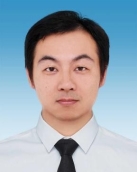
Prof. Xiaopei Shen
Fujian Medical University
Dr. Xiaopei Shen received his Bachelor’s degree in Computer Science from Central South University, China, in 2006, and his Ph.D degree from the University of Electronic Science and Technology of China in 2013. He completed his postdoctoral training at Johns Hopkins University in 2018. He is currently a professor and the director of the Department of Bioinformatics at Fujian medical University. His research interests include high-throughput omics and electronic health record (EHR) data mining in complex diseases such as cancer and critical illness. He has authored more than 40 publications in high-impact journals, including Journal of Clinical Oncology, Nucleic Acids Research, and Journal of Medical Internet Research.
Speech Title: "Data-Driven Precision Medicine in Sepsis"
Abstract: Sepsis is a common and life-threatening critical illness characterized by rapid progression, high heterogeneity, and elevated mortality. Significant challenges remain in early warning, subtyping, and precision therapy. Our team has developed an early warning model for septic shock based on electronic health records of sepsis patients, which can predict the risk of septic shock approximately six hours in advance. By integrating multi-omics and clinical data, we reconstructed the disease progression trajectories of sepsis patients and identified key evolutionary states. Furthermore, we identified monocyte subpopulations associated with mortality in sepsis, providing cellular evidence to support the early identification and prognostic improvement of high-risk patients.
Invited Speakers of ICBBS 2025s

Prof. Yumei Li
Soochow
University
Dr. Yumei Li received her bachelor’s degree from Nankai University in 2014 and her Ph.D. from Peking University in 2019. She then was appointed as a postdoctoral fellow at UC Irvine (2019–2022), supported by the George E. Hewitt Foundation for Medical Research. She is currently a professor at School of Basic Medicine, Soochow University. Her research focuses on transcriptomics and epigenomics, with particular interest in the development and application of bioinformatics approaches to study epigenetic regulation in both fundamental biological processes and disease pathogenesis. She has authored more than 20 publications in high-impact journals, including PNAS, Molecular Cell, and Genome Biology. Dr. Li is a member of the Omics Branch of the Chinese Stroke Association. She has been recognized as a Jiangsu Specially-Appointed Professor, and her work is supported by grants from the National Natural Science Foundation of China (NSFC) and the Natural Science Foundation of Jiangsu Province.

Assoc. Prof. Balachandran
Manavalan
Sungkyunkwan University
Dr. Balachandran Manavalan is an Associate Professor in the Department of Integrative Biotechnology at Sungkyunkwan University (SKKU). His core research is at the intersection of AI applications with biology, environmental science and nanotechnology. His lab develops cutting-edge bioinformatics methods to identify biomarkers for early disease detection, prediction peptide therapeutic function and DNA/RNA modification sites, assess water toxicity, and protein corona formation. Dr. Manavalan has secured multi year grants from the National Research Foundation of Korea (NRF) and KHIDI. He has authored over 150 research articles. According to ScholarGPS, he is ranked among the top 20 scholars globally in both Peptides and Bioinformatics.
Speech Title: "Universal Prediction of RNA Modifications Across Mammals Using Hierarchical Transformers"
Abstract: RNA modifications represent critical post-transcriptional regulators of gene expression and immune cell function, acting as central components of the epi-transcriptomic landscape. These chemical marks modulate RNA stability, splicing, translation, and localization, with specific modification sites emerging as key contributors to human health and disease. Over the past eight years, we have developed several computational frameworks for the individual prediction of RNA modifications and contributed to the field through rigorous, unbiased benchmarking. However, single-modification prediction tools remain limited in practical utility. To address this limitation, we present HiFormer-RM, the first comprehensive framework for the simultaneous prediction of sixteen prominent human RNA modification types—including m⁶A, m⁵C, m⁷G, A-to-I, Ψ, m¹A, m⁶Am, Am, Gm, Cm, Um, m⁵U, ac⁴C, D, m²G, and m²,²G. HiFormer-RM leverages a hierarchical transformer architecture capable of learning both local sequence motifs and global contextual dependencies through multi-mer feature extraction. This enables robust and generalizable predictions across diverse sequence contexts. The results demonstrate that HiFormer-RM significantly outperforms existing baseline models and reveals conserved sequence patterns associated with RNA modification across evolutionary lineages. Together, these findings establish HiFormer-RM as a powerful tool for advancing the understanding of epi-transcriptomic regulation and provide a unified framework for multi-modification prediction across species.

Dr. Jingjing Liu
Hong
Kong University of Science and Technology
Jingjing Liu received a Ph.D. in Environmental Science from the Hong Kong University of Science and Technology (HKUST) in 2016. After graduating from HKUST, she joined the Henry Lam Group at the department of biological and chemical engineering at HKUST, as a postdoctoral research scientist. There, she switched her research direction to proteomics and systems biology. Dr. Liu's research interests primarily focus on: 1. Gut microbiota and colorectal cancer, 2. Omics data analysis and mining, and 3. Mass spectrometry.
Speech Title: "Thioproline Modulates Gut Microbiota and Metabolism to Resist Colorectal Cancer"
Abstract: Colorectal cancer (CRC) ranks among the top three cancers globally in terms of incidence and mortality, and it is driven by an inflammatory environment in the gut, which can be induced by dysbiosis of the gut microbiome. Shaping gut microbiota community is proved effective in alleviate intestinal inflammation. Given the significant role of gut bacteria in the development of CRC, the ability of thioproline—a food bioactive—to modulate gut bacteria and resist CRC remains largely underexplored. To understand the effects of thioproline on gut microbiota community, we employed an integrated approach combining metagenomics and metabolomics to investigate the mechanisms through which thioproline regulates gut microbiota and exerts its anticancer effects. The metagenome and metabolome data reavled that thioproline treatment significantly changed gut miacrobiota community composition and metabolism in CRC. Our study reveals thioproline’s dual role in gut microbiota remodeling and metabolic regulation, leading to reduced CRC-associated inflammation. This study highlights its therapeutic potential in in modulating gut microbiota composition and metabolism to combat CRC, providing valuable insights for future studies and applications.

Dr. Jin Wang
Capital
Medical University
Dr. Jin Wang received her Ph.D. in Physiology from Peking University in 2022 and is a researcher at Beijing Ditan Hospital, Capital Medical University. Her research focuses on mechanotransduction and cell–extracellular matrix (ECM) interactions in the development of cardiovascular disease. Her research aims to identify mechanosensitive cell populations and to elucidate the molecular mechanisms by which they contribute to cardiovascular disease. Her findings have been published in high-impact journals such as Bioactive Materials and Circulation Research. She was selected for the Youth Talent Support Program of the Beijing Association for Science and Technology.

Dr. Yaling Zhu
Anhui Medical University
Dr. Yaling Zhu is an Associate Professor in the Department of Pathophysiology at Anhui Medical University. She has appointed as visiting scholar at the University of Science and Technology of China and is a member of the Chinese Association of Pathophysiology. Her main research focuses on high-throughput multi-omics data analysis and epigenomics, with particular interest in the epigenetic regulatory mechanisms of metabolic dysfunction-associated steatotic liver disease (MASLD). She has authored over 20 papers as a corresponding or first author in prestigious journals such as ACS Nano (Q1 Top, IF=17.1), Advanced Science (Q1 Top, IF=14.3), Journal of Experimental & Clinical Cancer Research (Q1, IF=12.8) and holds three patents. She has led eight research projects at the national, provincial, and university levels, including National Natural Science Foundation of China and provincial scientific funds. In addition to her research achievements, she has been recognized as the lead instructor for a national high-quality online course on medical teacher development. She has also been honored with awards such as the "Famous Teaching Master in Curriculum Ideology and Politics," the national "Outstanding Advisor" award in the National College Students’ Innovation in Basic Medical Research contest, and the title of "Outstanding Class Advisor.
Speech Title: "Epigenetic Activation of TDO2 by H3K27ac Promotes Hepatic Steatosis via M1 Macrophage Polarization"
Abstract: H3K27ac has been widely recognized as a representative epigenetic marker of active enhancer. However, the critical role and detailed regulatory mechanisms of H3K27ac in the pathogenesis of MASLD remain elusive. Here, we performed a genome-wide comparative study on H3K27ac activities and the corresponding mRNA profiling in high fat diet (HFD)-induced MASLD model. A significantly enhanced H3K27ac density with abundant alterations of regulatory transcriptome was observed in the liver of MASLD rats. Based on integrative analysis of ChIP-Seq and RNA-Seq, TDO2 was identified as a critical contributor for abnormal lipid accumulation, which was transcriptionally activated by YY1-promoted H3K27ac modification. Further, depletion of TDO2 effectively protected against hepatic steatosis both in vivo and in vitro. In terms of mechanisms, we demonstrated TDO2 activated KYN/AHR/NF-κB pathway to promote macrophages M1 polarization, representing an crucial event in driving MASLD progression. Motivated by these findings, a bovine serum albumin (BSA) nanoparticles (NPs) was fabricated to provide sustained release of Allopurinol (NPs-Allo) for TDO2 inhibition, possessing excellent biocompatibility and desired targeting capacity. Venous injection of NPs-Allo robustly alleviated HFD-induced metabolic disorders. This study reveals the pivotal role of TDO2 and its underlying mechanisms in pathogenesis of MASLD from both epigenetical and genetical levels. Targeting H3K27ac-TDO2-NF-κB axis may provide new insights into the pathogenesis of abnormal lipid accumulation and pave the way for developing novel strategies for MASLD prevention and treatment.
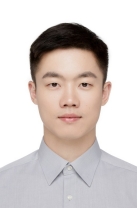
Assist. Prof. Yinran Chen
Xiamen University
Dr. Yinran Chen received his B.S. and Ph.D. degrees (Hons.) in Biomedical Engineering from Tsinghua University, China, in 2014 and 2019, respectively. He joined the Cardiovascular Imaging and Dynamics Laboratory, University of Leuven (KU Leuven), Belgium, as a Visiting Scholar in 2015. He is currently with the Department of Computer Science and Technology, School of Informatics, Xiamen University an assistant professor. He was supported by the Young Scientists Fund from the National Natural Science Foundation of China and the Excellent Young Scientists Fund from the Fujian Provincial Natural Science Foundation of China. He is a member of the Technical Program Committee (TPC) of IEEE International Ultrasonics Symposium (IUS) and a committee member of the Medical Imaging Computing Seminar (MICS). His research interests include ultrasound beamforming, ultrasound blood flow imaging, volumetric ultrasound imaging, and medical image processing.
Speech Title: "Advances in Ultrasound Microvascular Imaging and its Application"
Abstract: Vascular imaging with color and power Doppler is a useful tool in the assessment of various disease processes. Assessment of blood flow, from infarction and ischemia to hyperemia, in organs, neoplasms, and vessels, is used in nearly every US investigation. Recent developments in this area are sensitive to small-vessel low velocity flow, known as microvascular flow imaging (MVFI). MVFI is more sensitive in the detection of small vessels than color, power, and spectral Doppler. Varying clinical applications of MVFI are reviewed in adult and pediatric populations, including its technical underpinnings. MVFI shows promise in the assessment of several conditions, including benign and malignant lesions in the liver and kidney, acute pathologic abnormalities in the gallbladder and testes, and superficial lymph nodes. This talk presents recent technical advances from our group, focusing on spatiotemporal clutter filtering, micro vector flow imaging, and artificial intelligence-assisted microvascular imaging.
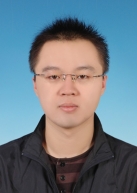
Assist. Prof. Fei Qi
Xiamen University
Qi Fei, Assistant Professor at the School of Life Sciences, Xiamen University. He holds a PhD in Bioinformatics from Technical University of Munich. He is recognized as a High-Level Talent of Fujian Province and a High-Level Talent of Xiamen City. His research focuses on the regulation of translational elongation and functional elements of non-coding RNAs. In recent years, he has published numerous research papers as first author or corresponding author in journals such as Nature Chemical Biology, Nucleic Acids Research, Genomics, Proteomics & Bioinformatics, Nucleic Acids Research, Communications Biology and etc.
Speech Title: "Regulation of the Translational Elongation Process"
Abstract: The translational elongation process is a key step in gene expression. It not only affects the yield of proteins encoded by genes but also regulates the quality control of protein synthesis. The translational elongation process is controlled by multiple translational elongation factors and cis-acting elements. These regulatory elements are located at different levels of genetic information and act on different steps of translational elongation, thereby co-regulating the translational elongation process. Through experiments and multi-omics data analysis, our work has investigated the regulatory roles of multiple translational elongation factors and cis-regulatory elements in the translational elongation process. Furthermore, we have clarified the interaction patterns of these elements in translational elongation at multiple scales, as well as their regulatory mechanisms in gene expression and protein synthesis quality control.
Previous Speakers
 |
 |
 |
| Prof. Yuan-Ting
Zhang City University of Hongkong |
Prof. Alexander
Suvoror Institute of Experimental Medicine, St. Petersburg |
Prof. David Zhang The Chinese University of Hongkong, China (Shenzhen) |
 |
 |
 |
| Prof.Tun-Wen Pai National Taipei University of Technology |
Prof. Dong-Qing
Wei
Shanghai Jiaotong University |
Prof. TSUI
Kwok-Wing Stephen The Chinese University of Hongkong |
 |
 |
 |
|
Prof. Cathy Wu |
Prof. Xuegong
Zhang |
Prof. Yi Pan |
 |
 |
 |
|
Prof. Bairong Shen Sichuan University |
Prof. Wing-Kin Sung The Chinese University of Hongkong, and Hongkong Genome Institute |
Prof. Chanchal Mitra University of Hyderabad |
 |
 |
 |
|
Assoc. Prof. Jie Zheng ShanghaiTech University |
Prof. Peiyu Zhang Henan University |
Prof. Zheng Zhou Chinese Academy of Sciences |
 |
 |
 |
|
Prof. Le Zhang Sichuan University |
Prof. Fei Guo Central South University |
Prof. Bin Liu Beijing Institute of Technology |
 |
 |
 |
|
Mr. Xiaoqiang Li China National GeneBank DataBase |
Prof. Guan Ning
Lin Shanghai Jiao Tong University |
Assoc. Prof.
Hon-Cheong So The Chinese University of Hongkong |
 |
 |
 |
|
Prof. Limsoon Wong (ACM Fellow) National University of Singapore |
Prof. Bing Zhang Shanghai Jiao Tong University |
Prof. An-Yuan Guo West China Hospital, Sichuan University |
 |
 |
 |
|
Prof. Pui-Chi Gigi Lo City University of Xiamen |
Asst. Prof. Mengsha Tong Xiamen University |
Prof. Jose Nacher Toho University |